
No products in the cart.





Forbidden fruit strain sativa or indica
Forbidden Fruit Strain Sativa or Indica? Everything You Need to Know
If you’ve been asking “Forbidden Fruit strain sativa or indica?”, you’re not alone. This popular cannabis strain has earned a loyal following thanks to its tropical flavor, eye-catching purple buds, and deeply relaxing effects. However, many first-time buyers wonder whether it behaves more like a sativa or an indica.
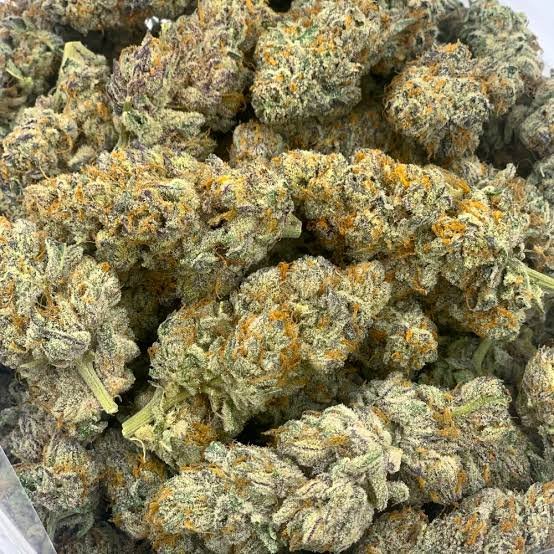
The short answer is that Forbidden Fruit is an indica-dominant hybrid. It delivers calming body effects while still offering a pleasant cerebral uplift at the beginning of the experience. As a result, many consumers choose it for evening use, stress relief, and winding down after a busy day.
In this guide, you’ll discover the genetics, effects, cannabinoid profile, flavors, growing characteristics, and ideal uses of the Forbidden Fruit strain. By the end, you’ll know whether this strain matches your lifestyle and cannabis preferences.
Is Forbidden Fruit Strain Sativa or Indica?
Quick Answer
Forbidden Fruit is an indica-dominant hybrid cannabis strain. Most phenotypes are considered approximately 70% indica and 30% sativa, although exact ratios can vary slightly between growers and breeders.
Because of its indica dominance, users often report:
- Deep physical relaxation
- Gentle mental euphoria
- Reduced stress after a long day
- Comfortable evening use
- A calm, peaceful mood
Unlike many pure indicas, Forbidden Fruit doesn’t usually begin with immediate couch-lock. Instead, many users experience a brief wave of happiness before the body relaxation gradually becomes more noticeable.
Featured Snippet Answer
Forbidden Fruit is an indica-dominant hybrid strain created by crossing Cherry Pie and Tangie. While it produces an initial burst of uplifting mental effects, its relaxing body high makes it behave much more like an indica. Many consumers prefer it for evening use, relaxation, and stress relief.
What Makes Forbidden Fruit an Indica-Dominant Hybrid?
Cannabis strains inherit their characteristics from their parent genetics. Forbidden Fruit combines two well-known cultivars that contribute different qualities.
| Characteristic | Details |
|---|---|
| Strain Type | Indica-Dominant Hybrid |
| Estimated Ratio | 70% Indica / 30% Sativa |
| Parent Strains | Cherry Pie × Tangie |
| Typical THC | 20–26% |
| CBD | Usually below 1% |
| Best Time | Evening or nighttime |
| Flavor | Cherry, citrus, tropical fruit, pine |
| Aroma | Sweet berries, mango, citrus, earthy notes |
This balanced genetic background explains why Forbidden Fruit starts with an uplifting sensation before transitioning into deep physical relaxation.
Forbidden Fruit Strain Genetics
Understanding a strain’s genetics helps explain why it produces certain effects.
Forbidden Fruit is the result of crossing:
- Cherry Pie
- Tangie
Each parent contributes unique characteristics that shape the final experience.
Cherry Pie
Cherry Pie is famous for its relaxing body effects and sweet dessert-like aroma.
It contributes:
- Physical calm
- Dense buds
- Sweet cherry flavor
- Purple coloration
- Indica influence
These characteristics help explain why Forbidden Fruit feels soothing without becoming overwhelmingly sedating for most experienced consumers.
Tangie
Tangie is known for its vibrant citrus aroma and uplifting qualities.
It contributes:
- Bright orange flavor
- Creative mental uplift
- Fruity terpene profile
- Increased aroma intensity
- Mild energetic onset
Because of Tangie’s influence, Forbidden Fruit doesn’t feel overly heavy immediately after consumption. Instead, many consumers notice an initial burst of happiness before the indica effects become dominant.
What Does Forbidden Fruit Look Like?
One reason Forbidden Fruit stands out is its remarkable appearance.
Many dispensary customers notice its colorful buds before learning anything about its effects.
Common visual characteristics include:
- Deep purple flowers
- Dark green sugar leaves
- Bright orange pistils
- Thick coating of frosty trichomes
- Dense, compact buds
These crystal-covered flowers often indicate high resin production, making Forbidden Fruit especially appealing to experienced cannabis enthusiasts.
Flavor and Aroma Profile
Forbidden Fruit has one of the most recognizable flavor profiles among modern cannabis strains.
Rather than tasting earthy or skunky, it delivers layers of sweet fruit flavors that resemble tropical candy.
Common Flavor Notes
- Cherry
- Mango
- Passion fruit
- Grapefruit
- Citrus
- Pine
- Sweet berries
Aroma Profile
When the container opens, many users notice aromas such as:
- Fresh oranges
- Tropical fruit
- Sweet cherries
- Earthy undertones
- Pine
- Floral notes
The complex aroma comes from a rich combination of aromatic compounds known as terpenes.
Major Terpenes Found in Forbidden Fruit
| Terpene | Aroma | Common Association |
|---|---|---|
| Myrcene | Earthy, herbal | Relaxation |
| Limonene | Citrus | Elevated mood |
| Caryophyllene | Peppery | Spicy aroma |
| Pinene | Pine | Fresh forest scent |
Together, these terpenes create the signature sweet tropical profile that has made Forbidden Fruit a favorite among cannabis enthusiasts.
How Strong Is Forbidden Fruit?
Forbidden Fruit is generally considered a high-potency cannabis strain.
Although cannabinoid levels vary between cultivators, many batches test within the following ranges:
| Cannabinoid | Typical Range |
|---|---|
| THC | 20–26% |
| CBD | Less than 1% |
| CBG | Trace amounts |
Because THC levels frequently exceed 20%, beginners should approach this strain carefully.
Tips for New Consumers
If you’re trying Forbidden Fruit for the first time:
- Start with a small amount.
- Wait before consuming more.
- Choose a comfortable setting.
- Stay hydrated.
- Avoid mixing with alcohol.
Starting slowly helps you better understand how your body responds, especially if you have limited experience with high-THC cannabis strains.
Forbidden Fruit Strain Effects: What Should You Expect?
The effects of Forbidden Fruit usually develop in two stages. First, users may notice a light mental uplift and a calmer mood.
Afterward, the indica-dominant qualities often become more noticeable. Physical relaxation may spread through the body as the experience continues.
Commonly reported Forbidden Fruit strain effects include:
- A relaxed body sensation
- A calm or content mood
- Mild mental euphoria
- Sleepiness at higher amounts
- Increased appetite
- Reduced motivation for demanding tasks
- Heightened enjoyment of music, movies, or food
However, cannabis affects each person differently. Your tolerance, product strength, consumption method, and surroundings can all shape the experience.
Featured Snippet Answer: What Are the Effects of Forbidden Fruit?
Forbidden Fruit typically produces an uplifting mental onset followed by deep physical relaxation. Users commonly report calmness, happiness, increased appetite, and sleepiness. Because it may impair coordination and concentration, many consumers reserve this indica-dominant hybrid for evenings, quiet activities, or bedtime routines.
How Long Do the Effects Last?
The duration depends heavily on how you consume the product.
Inhaled cannabis usually takes effect faster than an edible. However, inhaled effects often fade sooner.
| Consumption Method | Typical Onset | General Duration |
|---|---|---|
| Smoked flower | Within minutes | About 1–3 hours |
| Vaporized flower | Within minutes | About 1–3 hours |
| Cannabis edible | 30 minutes to 2 hours | About 4–8 hours or longer |
| Tincture | 15–60 minutes | About 2–6 hours |
These times are only general estimates. Potency, metabolism, food intake, and tolerance can change the timing considerably.
Therefore, avoid taking more simply because an edible has not worked immediately. Delayed effects can lead to an uncomfortable experience.
Is Forbidden Fruit Best for Daytime or Nighttime?
Forbidden Fruit generally works better as an evening or nighttime strain.
Its Tangie genetics may provide a brief uplifting start. Nevertheless, the heavier body effects can make work, driving, studying, or detailed tasks difficult.
Many adults prefer this strain during activities such as:
- Watching a movie
- Listening to music
- Relaxing at home
- Taking a warm bath
- Enjoying a quiet evening
- Preparing for bed
- Sharing a low-key social setting
In contrast, consumers seeking alertness or sustained daytime energy may prefer a more uplifting cultivar.
Can You Use Forbidden Fruit During the Day?
Some experienced consumers use small amounts during the day. However, beginners may find it too relaxing or mentally distracting.
If you try it earlier, keep your schedule clear. Additionally, avoid driving, operating machinery, or handling important responsibilities afterward.
The CDC states that cannabis can impair coordination, perception, decision-making, and reaction time. Combining it with alcohol may increase impairment.
Who Might Enjoy the Forbidden Fruit Weed Strain?
Forbidden Fruit may appeal to adults who enjoy flavorful cannabis with noticeable body effects.
It may suit consumers who prefer:
- Indica-dominant hybrids
- Strong tropical and citrus aromas
- Evening cannabis products
- Relaxing rather than energizing effects
- High-THC flower
- Colorful, resin-rich buds
- A balanced mental and physical experience
However, it may not suit every shopper.
Who Should Approach It Carefully?
Forbidden Fruit may feel intense for people with low THC tolerance. Therefore, new consumers should choose a small serving and wait before increasing it.
Extra caution may be appropriate for people who:
- Are sensitive to THC
- Sometimes experience cannabis-related anxiety
- Need to remain alert
- Have little experience with high-potency flower
- Plan to consume alcohol
- Take medications that may interact with cannabis
- Are pregnant or breastfeeding
THC can affect mood, thinking, attention, and perception. High amounts may also cause unpleasant psychological or physical effects in some users.
Anyone with health concerns should speak with a qualified healthcare professional. A dispensary blog should not replace personal medical advice.
Potential Side Effects of Forbidden Fruit
Even popular strains can cause unwanted effects.
The most frequently reported side effects of high-THC cannabis products include:
- Dry mouth
- Dry or red eyes
- Dizziness
- Sleepiness
- Faster heart rate
- Poor concentration
- Anxiety or uneasiness
- Temporary short-term memory problems
These effects often become more likely as the dose increases.
How to Reduce the Risk of an Uncomfortable Experience
Use the following steps to create a safer and more predictable experience:
- Check the label. Review the THC percentage and serving information.
- Start with less. A small amount may be enough for a beginner.
- Wait patiently. Do not consume more before the first serving takes effect.
- Choose a familiar setting. Calm surroundings may reduce discomfort.
- Drink water. Hydration may help with dry mouth.
- Avoid alcohol. Mixing substances can increase impairment.
- Store products safely. Keep cannabis away from children and pets.
- Do not drive. Arrange transportation before consuming.
If someone experiences severe symptoms, chest pain, extreme confusion, or trouble breathing, seek medical assistance.
Forbidden Fruit Compared With Similar Strains
Consumers often compare Forbidden Fruit with other indica-dominant or fruit-flavored strains.
The following table offers a general comparison. However, individual batches may differ because growers, phenotypes, and testing methods vary.
| Strain | Typical Type | Common Flavor Profile | General Experience |
| Forbidden Fruit | Indica-dominant hybrid | Cherry, citrus, tropical fruit | Uplifting onset followed by body relaxation |
| Granddaddy Purple | Indica-dominant | Grape, berry, earth | Heavy relaxation and evening calm |
| Purple Punch | Indica-dominant hybrid | Grape, blueberry, dessert | Sweet flavor with soothing body effects |
| Cherry Pie | Hybrid | Cherry, berry, earth | Balanced relaxation with a mild mental lift |
| Tangie | Sativa-dominant hybrid | Orange, citrus, spice | More energizing and mentally stimulating |
| Zkittlez | Indica-dominant hybrid | Candy, tropical fruit | Relaxing with a cheerful, fruity experience |
Forbidden Fruit vs. Granddaddy Purple
Both strains often suit evening use. However, Forbidden Fruit usually has a brighter citrus and tropical profile.
Granddaddy Purple commonly tastes more like grapes and berries. Additionally, some consumers describe it as heavier and more sedating.
Forbidden Fruit vs. Purple Punch
Purple Punch and Forbidden Fruit both offer sweet flavors and strong body relaxation.
Nevertheless, Purple Punch often leans toward dessert, grape, and blueberry notes. Forbidden Fruit usually provides sharper citrus, cherry, and tropical aromas.
Forbidden Fruit vs. Tangie
Tangie is one of Forbidden Fruit’s parent strains. As a result, both may share orange and citrus characteristics.
However, Tangie generally feels more energetic. Forbidden Fruit typically becomes much heavier as its indica effects develop.
Forbidden Fruit vs. Cherry Pie
Cherry Pie contributes much of Forbidden Fruit’s sweet aroma and relaxing character.
Still, Forbidden Fruit often tastes more tropical because of its Tangie heritage. It may also feel more physically calming, depending on the batch.
Growing Forbidden Fruit Cannabis
Forbidden Fruit can attract home growers because of its colorful flowers and aromatic terpene profile.
However, cultivation rules vary widely across the United States. Some states allow limited home growing, while others prohibit it completely.
Therefore, always check:
- State cannabis laws
- Local city or county rules
- Plant limits
- Age requirements
- Medical registration requirements
- Security and visibility restrictions
- Landlord or housing policies
Cannabis laws change frequently, so consumers should consult current state statutes or an official state cannabis regulator before planting. State-level summaries can provide a starting point, but they should not replace official legal guidance.
General Growing Characteristics
Forbidden Fruit is often described as a moderately challenging cultivar. It may require careful humidity control because dense flowers can trap moisture.
Typical cultivation considerations include:
| Growing Factor | General Guidance |
| Environment | Indoor or suitable outdoor climate |
| Difficulty | Intermediate |
| Plant structure | Bushy with dense flowers |
| Flowering time | Often around 8–10 weeks |
| Humidity | Lower during late flowering |
| Training | Pruning and airflow management may help |
| Aroma control | Often necessary because of its strong scent |
These details can vary by seed producer or clone source. Consequently, growers should follow the instructions supplied with their specific genetics.
Indoor Growing Tips
Indoor cultivation gives growers more control over temperature, airflow, and humidity.
For healthier plants:
- Provide steady air circulation.
- Avoid overcrowding the canopy.
- Remove damaged or unhealthy leaves.
- Support heavy flowering branches.
- Watch closely for mold and pests.
- Reduce humidity as flowers become denser.
- Keep the cultivation area clean.
Furthermore, carbon filtration may help control the strain’s strong fruity aroma.
Outdoor Growing Tips
Outdoor plants need warm conditions, airflow, and protection from extended rain.
A discreet, secure location may also be legally required. Therefore, growers should confirm whether plants must remain locked or hidden from public view.
Rain near harvest can create problems for dense flowers. Consequently, outdoor growers should inspect buds frequently for moisture damage.
How to Choose Forbidden Fruit at a Dispensary
Not every product labeled Forbidden Fruit will look, smell, or feel identical.
Different growers may cultivate distinct phenotypes. Additionally, harvesting, curing, storage, and packaging can affect the final quality.
What to Check Before Buying
Review these details on the product label:
- THC percentage
- CBD percentage
- Harvest or packaging date
- Terpene information
- Grower or brand
- Batch number
- Testing laboratory
- Contaminant test results
- Recommended serving size
A high THC number does not automatically mean better quality. Freshness, aroma, terpene content, cultivation practices, and proper curing also matter.
Signs of Quality Cannabis Flower
Well-handled Forbidden Fruit flower may have:
- A fresh citrus or tropical aroma
- Visible trichomes
- Dense but not damp buds
- Green and purple coloration
- Minimal excess stems
- No musty or ammonia-like odor
- Clear state-required labeling
Avoid flower that smells moldy, feels unusually wet, or lacks regulated packaging.
Questions to Ask Your Budtender
A knowledgeable budtender may help you compare available batches.
Consider asking:
- Is this batch more relaxing or uplifting?
- What is the tested THC level?
- Which terpenes appear on the label?
- When was the product packaged?
- Is it suitable for someone with low tolerance?
- Are smaller sizes available?
- Does the store carry a lower-potency alternative?
These questions provide more useful information than relying on the strain name alone.
Responsible Use in the United States
Cannabis legality varies by state and locality. Therefore, adults should confirm local possession, purchasing, transportation, and home cultivation rules.
Always purchase from a licensed dispensary where legal. Regulated products should provide clearer labeling and required safety testing.
Additionally:
- Never provide cannabis to minors.
- Do not cross state lines with cannabis.
- Keep products in child-resistant packaging.
- Store edibles separately from ordinary food.
- Do not drive after consuming THC.
- Follow workplace and housing rules.
- Review local public-consumption restrictions.
Finally, remember that a legal purchase does not make impaired driving safe. Plan your transportation before using Forbidden Fruit or any THC product.
NEW POSTS

July 14, 2026



Leave a comment